Source Thread Seal PTFE Tape for Plumbing, Industrial, and DIY Uses
Source thread seal PTFE tape from 22 verified listings. Compare specifications including thickness, width, and adhesive types to find the right sealing solution for your plumbing or industrial needs; compare the available evidence and request quotations based on your requirements.
Key considerations
Products List


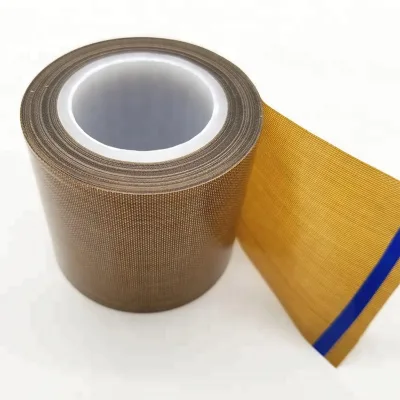


Comprehensive Sourcing Guide
Thread Seal PTFE Tape Sourcing Guide
Procurement professionals must first distinguish between generic PTFE tape and specialized adhesive variants when sourcing thread seal products. The observed market listings reveal a diverse range of specifications, including standard thread sealing tapes and pressure-sensitive adhesive tapes with rubber backing. Buyers should verify whether the supplier offers pure PTFE sealing tape or composite adhesive solutions, as the application requirements for pipe sealing differ significantly from those for high-temperature insulation or waterproofing.
The product scope extends beyond simple thread sealing to include applications in packaging, compounding, and sealing where high strength and temperature resistance are critical. Listings indicate availability in various widths from 5mm to 25mm and thicknesses ranging from 0.08mm to 0.4mm, with some suppliers offering jumbo rolls up to 1020mm wide. Sourcing decisions must align with the specific mechanical and thermal demands of the end-use environment, ensuring the selected tape meets the precise dimensional and functional needs of the assembly line.
Product Scope and Observed Listing Signals
Buyers should scrutinize the listed product models and dimensions to ensure they match the intended mechanical fit for pipe threads. The market data shows specific model identifiers like S646 and SP001230, alongside customizable size options that allow for tailored solutions. It is essential to confirm that the selected width and thickness correspond to the thread profile, as standard sizes like 12mm, 19mm, and 25mm may not suit all industrial fittings without custom ordering.
Packaging and shipping terms also serve as critical signals for supply chain readiness and cost estimation. Listings frequently mention shrink-wrapped packs of 10 pieces or cartons containing 1000 pieces, with some suppliers offering custom packaging to reduce waste. Procurement teams must evaluate whether the supplier can accommodate specific shipping terms like FOB, CIF, or DDP, and verify if the paper core dimensions, such as the standard 76mm, align with existing dispensing equipment on the production floor.
Technical Specifications to Verify
Technical verification must begin with the material composition and thermal performance limits of the tape. The supplied facts confirm a 100% PTFE standard for many listings, with a temperature operating range spanning from -196°C to +300°C. Buyers should request batch-specific data to confirm that the material maintains its integrity under extreme thermal cycling, ensuring the tape does not degrade or lose adhesion in high-temperature environments where standard plastics would fail.
Dimensional consistency and adhesive properties are equally critical for reliable performance in sealing applications. Specifications indicate thicknesses ranging from 0.8 microns to 0.4mm, with widths available in 5mm increments up to 25mm or fully customized. For adhesive variants, the presence of rubber backing and pressure-sensitive adhesives requires verification of stickiness and side-specific application, as some products are single-sided while others may offer different adhesion profiles for specific substrates.
Compliance and Safety Documentation
Compliance verification is mandatory to ensure the product meets international safety and environmental regulations for industrial use. The observed listings cite ISO, REACH, and RoHS certifications, which are essential for exporting to markets with strict chemical and material restrictions. Procurement teams must request valid, up-to-date certificates for each batch to confirm that the PTFE material and any adhesives used do not contain restricted substances that could violate local laws or customer safety mandates.
Safety documentation must also address the specific handling and application requirements of the tape in various industrial settings. While the product is described as waterproof and high-strength, buyers should verify that the material does not release harmful fumes during high-temperature application or disposal. Ensuring that the supplier provides Material Safety Data Sheets (MSDS) and confirms the absence of hazardous additives is a critical step in mitigating workplace safety risks and maintaining regulatory compliance.
Cost Drivers and Commercial Terms
Cost structures for thread seal PTFE tape are heavily influenced by customization levels and order volume. The observed Minimum Order Quantity (MOQ) ranges from 10 units to 50,000 units, creating a significant variance in unit pricing based on the scale of the purchase. Buyers should negotiate based on the specific thickness and width requirements, as custom dimensions and specialized adhesive formulations often command a premium over standard stock items.
Commercial terms and payment conditions play a pivotal role in the total cost of ownership and cash flow management. Listings indicate payment terms such as TT (Telegraphic Transfer) and various shipping options including Sea, Air, and Express delivery. Procurement teams must calculate the landed cost by factoring in shipping terms like EXW, FOB, or DDP, ensuring that the chosen Incoterm aligns with the company's logistics capabilities and risk tolerance regarding transit damage or delays.
Supplier Qualification and Quality Control
Supplier qualification requires a rigorous assessment of production capabilities and quality assurance protocols. The observed production time of 20 days suggests a lead time that must be factored into inventory planning, particularly for customized orders. Buyers should verify the supplier's ability to maintain consistent quality across large batches, ensuring that the 100% PTFE standard and adhesive properties remain uniform throughout the production run.
Quality control measures must extend beyond final inspection to include raw material verification and process monitoring. Suppliers offering free samples allow buyers to test the tape's adhesion, temperature resistance, and dimensional accuracy before committing to a large order. It is advisable to establish a clear quality agreement that defines acceptable tolerances for thickness, width, and adhesive strength, ensuring that the delivered product meets the exact specifications required for the application.
Long-Term Procurement Checks
Long-term procurement success depends on establishing a reliable supply chain that can adapt to changing demand and technical requirements. Buyers should monitor the supplier's ability to maintain consistent lead times and production capacity, especially when scaling up orders from small samples to bulk production. Regular audits of the supplier's facilities and quality systems help ensure that the product continues to meet the required standards over time.
Continuous performance evaluation is essential to maintain the integrity of the sealing and insulation applications. Procurement teams should track the tape's performance in real-world conditions, noting any issues with adhesion, temperature resistance, or dimensional stability. By maintaining open communication with the supplier and reviewing performance data regularly, buyers can proactively address potential supply chain disruptions and ensure a steady flow of high-quality thread seal PTFE tape.
FAQs
What are the standard thickness options for thread seal PTFE tape?
Standard thickness options include 0.08mm, 0.13mm, 0.18mm, 0.25mm, 0.3mm, 0.35mm, and 0.4mm. Custom thicknesses are also available to meet specific buyer demands. These variations allow for precise sealing in different pipe applications, ensuring optimal performance and leak prevention for various industrial and residential plumbing needs.
Can I customize the width and length of the PTFE tape?
Yes, customization is available for both width and length. Standard widths range from 5mm to 25mm, with options for 50mm or other custom requests. Lengths can be tailored to buyer demands, including 100m rolls or other specifications. This flexibility ensures the tape fits specific machinery or piping requirements perfectly.
What certifications do these PTFE tapes typically hold?
These PTFE tapes typically hold ISO, REACH, and RoHS certifications. These standards ensure the material meets international quality and safety requirements. The tape is made from 100% PTFE, providing high strength and waterproof properties. Buyers can rely on these certifications for compliance in regulated industries and global supply chains.
What is the typical production time for custom orders?
The typical production time for custom orders is approximately 20 days. This timeline allows for manufacturing, quality control, and packaging preparation. Buyers should consider this lead time when planning their procurement schedules. Payment terms are usually via TT, and shipping options include FOB, CIF, EXW, and DDP for flexibility.
How is the PTFE tape packaged for shipping?
The tape is packaged with 10 pieces in a shrink wrap and 1000 pieces in a carton. Alternative packaging includes 36 or 72 rolls per carton, depending on the order size. Custom packaging options are also accepted. This ensures safe transport and easy handling, whether shipping by sea, air, or express courier services.
What is the temperature resistance range of the tape?
The tape has a temperature resistance range from -196°C to +300°C. This wide range makes it suitable for extreme environments. The high-temperature resistance ensures durability and performance in demanding applications. Buyers can trust this specification for industrial processes requiring stable sealing under significant thermal variations without material degradation.